A Short Story of Cooking
Cooking began the moment humans discovered fire and realized food could be transformed, not just eaten. What started as survival slowly became culture, comfort, and creativity. For those seeking to preserve tradition, Authentic Indian Vegetarian Recipes offer a window into how ancient techniques like slow-simmering and spice-tempering have perfected the art of flavor over millennia.
From ancient clay pots and open flames to the historic spice routes that connected continents, cooking has always evolved with people. These culinary stories were passed down through generations, with every cook adding their own secret touch. In India, this meant balancing seasonal vegetables with potent aromatics to create dishes that are as healthy as they are delicious.
Today, cooking is both art and science—a way to care, experiment, and connect. Every dish carries a piece of history, and every kitchen is part of a much bigger story. Whether you are recreating a classic Dal or experimenting with new plant-based ingredients, the story of Authentic Indian Vegetarian Recipes is still being written, one meal at a time.
The Basis of Cooking Around the World
At its core, cooking everywhere began the same way: fire, local ingredients, and human curiosity. What people cooked depended on where they lived, what grew nearby, and how they learned to preserve and flavor food.
In ancient times, cooking was simple and essential. Roasting, boiling, fermenting, and drying helped food last longer and taste better. Over centuries, trade introduced spices, techniques, and new ingredients, slowly shaping regional cuisines.
By the 90s, cooking entered modern homes. Appliances, packaged ingredients, and global recipes made food faster and more accessible, blending tradition with convenience.
Today, cooking is a mix of old and new. Traditional methods meet modern tools, global flavors sit beside local recipes, and cooking becomes both personal expression and mindful choice.
In India, cooking evolved into a sophisticated science of “layers”—where geography and spirituality dictated the plate. From the wood-fired tandoors of the North to the steam-based idli fermentation of the South, Indian cuisine became a masterclass in the balancing of the six rasas (tastes). It is a land where spices like turmeric and black pepper were used as much for their medicinal properties as for their flavor, creating a culinary tradition that is not just about eating, but about healing and heritage. Want to know more about our Incredible India? Click here!
What’s The Buzz..
Things You Need


Kitchen Help Desk
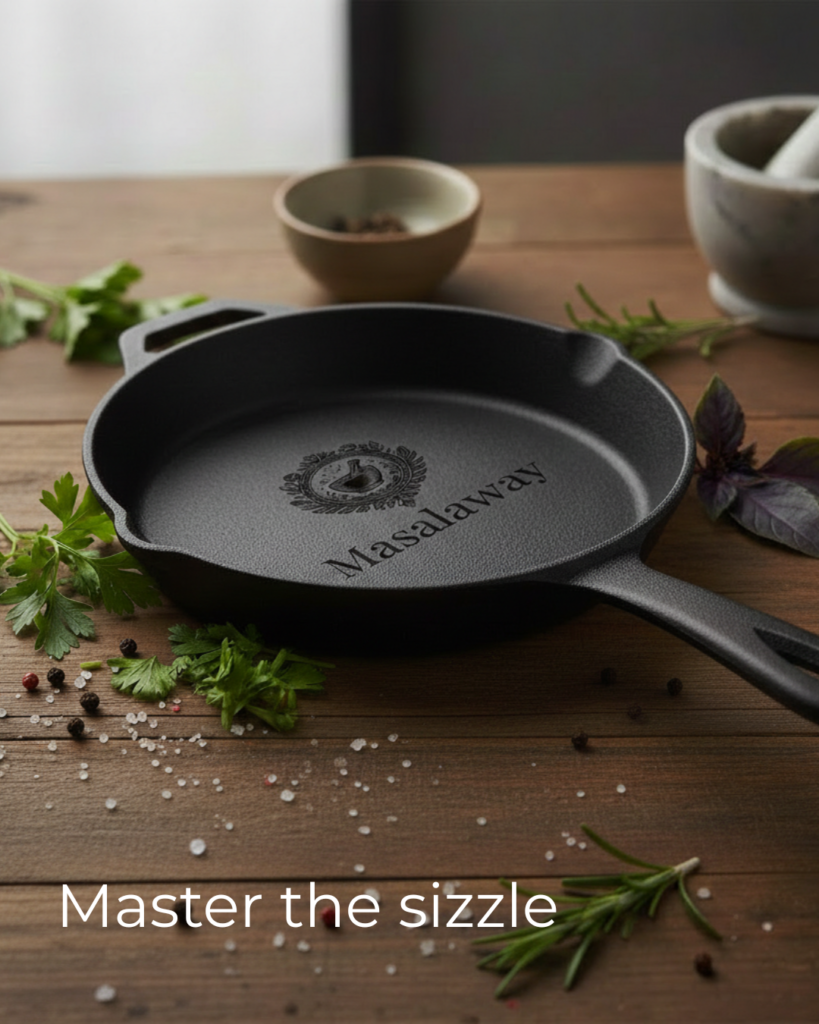
The pan usually isn’t hot enough. Let the pan heat up for a minute before adding oil, then wait for the oil to shimmer before adding your food.
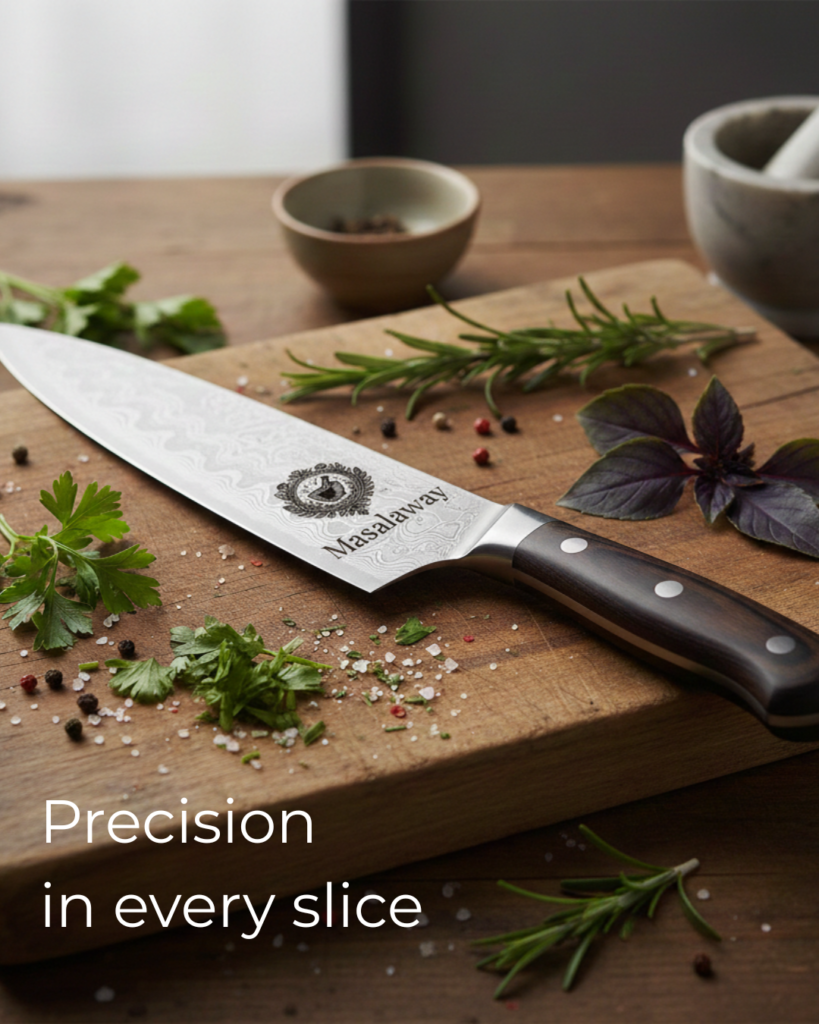
It’s likely your knife! A dull knife crushes the onion and sprays the “stingy” juices. A sharp knife slices cleanly, keeping the sting on the cutting board and out of your eyes.
It probably needs a “bright” touch. Try a tiny pinch of salt or a squeeze of fresh lemon. Acid and salt act like a volume knob for flavor.
Chop and measure everything before you start the heat. This is called “prepping.” If the ingredients are ready to go, you can focus on the timing without rushing.
Safety first! Always slice a small piece off one side of round veggies (like carrots or potatoes) to create a flat base. Rest that flat side on the board so the vegetable stays still while you chop.

Hear the whispers...

Supriya Kumari
Housewife
Loved It
Recipes are reallt easy to work with.

Rukmini Rai
Manager
Really Helpful
Daily household dishes are excellent!

Raj Shekar
Student
Life saver
My survival partner during hostel days.

Omkar Pillai
Govt. Oficer
Homemade recipes
It reminded me of my "ghar ka khana"